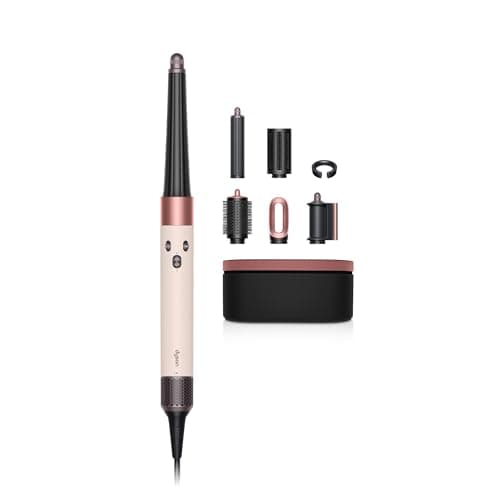
How-to
How to use a hot air brush on short hair
Published
Short answer
Start with towel-dried, detangled hair, pick a small barrel (about 1 to 1.5 inches for chin-length and shorter hair), and work in small sections from the roots out. Use low to medium heat, hold the brush under each section for a few seconds at the root for lift, glide to the ends, and finish each section with the cool setting so it sets.
Dryers and stylers for this
All 7 picks compared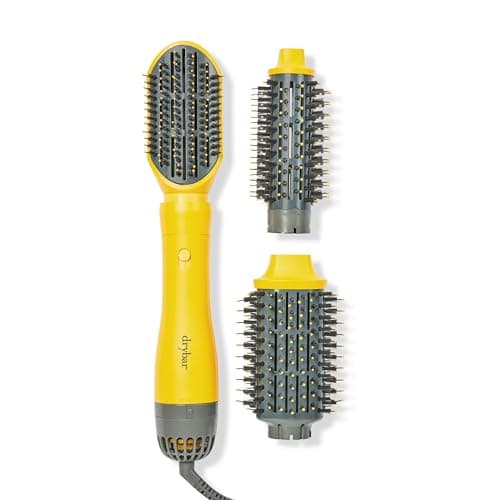
Drybar Triple Shot: 3 interchangeable heads
See price on AmazonSee it on Amazon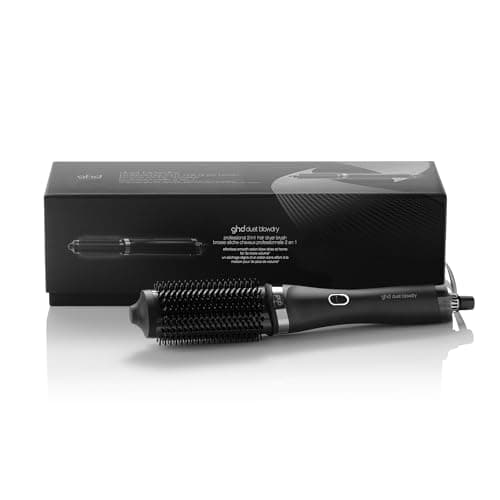
ghd Duet Blowdry: elliptical barrel, fixed 248°F
See price on AmazonSee it on Amazon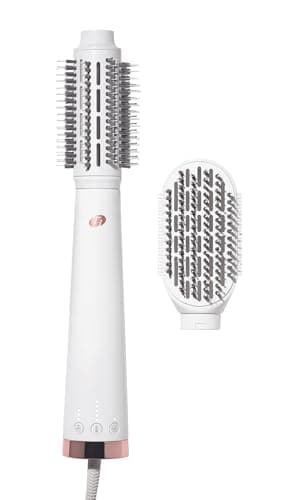
T3 AireBrush Duo: 2 heads, 15 heat/speed combos
See price on AmazonSee it on Amazon
A hot air brush can give short hair a smooth, rounded finish faster than a separate dryer and round brush, but the technique is a little different from what works on long hair. Short sections slip off big barrels, roots get flat if you rush, and the ends can flip the wrong way. This guide is for people with pixie cuts, bobs, lobs and short layers who want a polished blowout at home. It covers how to pick a barrel size, how to prep, the exact steps for the crown, sides and nape, and how to fix the common problems.
Pick the right barrel size for short hair
Barrel size matters more on short hair than on long hair. Hair needs enough length to wrap at least one to two turns around the brush to take a bend. On a large oval barrel, a 3 inch section of hair only touches one side of the brush, so you get smoothness but little shape. A smaller round barrel lets short hair wrap and curve.
As a rule of thumb, pixie and very short cuts suit a brush around 1 to 1.5 inches. Chin-length bobs can use 1.5 to about 2.25 inches. Lobs that reach the collarbone can move up to a larger oval for more body. The hot air brush size guide shows how each diameter lines up with hair length.
- 1 inShort hair, tight curls at the ends
- 1.2 in / 30 mmShort to medium hair, defined curls
- 1.5 inMedium hair, smooth ends with some bend
- 1.6 in / 40 mmMedium to long hair, loose waves
- 2 in ovalLong hair, smooth blowout with volume
Pixie, above the ears
- Barrel size
- About 1 to 1.25 in
- What it does
- Root lift and a slight bend
Short bob, chin length
- Barrel size
- About 1.25 to 1.5 in
- What it does
- Rounded ends and lift at the crown
Long bob, to the collarbone
- Barrel size
- About 1.5 to 2.25 in
- What it does
- Soft bend and body
Shoulder length and past
- Barrel size
- 2 in and larger oval
- What it does
- Smooth blowout with volume
| Hair length | Barrel size | What it does |
|---|---|---|
| Pixie, above the ears | About 1 to 1.25 in | Root lift and a slight bend |
| Short bob, chin length | About 1.25 to 1.5 in | Rounded ends and lift at the crown |
| Long bob, to the collarbone | About 1.5 to 2.25 in | Soft bend and body |
| Shoulder length and past | 2 in and larger oval | Smooth blowout with volume |
Prep: how dry should short hair be?
Most blow dryer brushes are designed for damp hair, not dripping wet hair. Drybar, for example, tells users of its Double Shot to towel-dry thoroughly before starting. Short hair dries quickly, so the gap between soaking wet and ready-to-style is short. Squeeze out water with a towel, then rough dry with a hair dryer or the brush on its cool or low setting until the hair is mostly dry and only slightly damp.
Comb out tangles before you start and apply any heat protectant or styling product the label says to use on damp hair. If you start with hair that is too wet, you will spend a long time passing the brush over the same section, which is when frizz and flat roots tend to appear. See can you use a hot air brush on wet hair for more on this.
Step by step: hot air brush on a bob or pixie
Work in this order so the crown gets the most lift and the front finishes last, when you have the most control.
- 1
Set the brush to low or medium heat and medium airflow. Short hair needs less heat because the sections are small.
- 2
Start at the nape. Take a section about as wide as the brush and 1 inch deep.
- 3
Place the brush under the section at the root and hold for a few seconds so the root lifts.
- 4
Roll the brush slowly toward the ends, turning it under for a rounded bob or out for a flip.
- 5
Hold the brush at the ends for a moment, then switch to the cool setting for several seconds before releasing.
- 6
Move up to the sides, then the crown. At the crown, lift sections straight up toward the ceiling for more volume.
- 7
Finish with the front and fringe. Brush bangs side to side across the forehead to flatten cowlicks, then direct them where you want them.
- 8
Let the hair cool fully before adding finishing product or touching it.
Note.Keep the bristles moving near the scalp and ears. The barrel and vents get hot, and on short hair your hand is closer to your skin.
Tips for pixie cuts and very short layers
On a pixie, think of the hot air brush as a tool for root direction and smoothing, not curls. Use the brush to lift the crown and push the sides back or forward. A small round brush like the 1.5 inch Drybar Half Shot is sized for short layers and face-framing pieces. Hold it at the root rather than rolling it through, because there is little length to roll.
If your brush feels too large, a regular hair dryer with a narrow concentrator plus a small manual round brush gives more control on very short hair. The styler finder suggests the tool type for your length and goal.
Fixing common short hair problems
Most issues come from section size, dampness or barrel size. Use this table to troubleshoot.
Ends flip out when you wanted them under
- Likely cause
- Brush rolled the wrong way or released while warm
- Try this
- Turn the brush under and use the cool setting before releasing
Flat roots
- Likely cause
- Brush started mid-shaft
- Try this
- Start at the root and hold for a few seconds, lifting up
Frizz
- Likely cause
- Hair too wet or too many passes
- Try this
- Rough dry first, then make one or two slow passes per section
Hair slips off the brush
- Likely cause
- Barrel too large or sections too wide
- Try this
- Use a smaller barrel or narrower sections
Bob looks puffy
- Likely cause
- Too much lift on the sides
- Try this
- Keep side sections close to the head and brush down
| Problem | Likely cause | Try this |
|---|---|---|
| Ends flip out when you wanted them under | Brush rolled the wrong way or released while warm | Turn the brush under and use the cool setting before releasing |
| Flat roots | Brush started mid-shaft | Start at the root and hold for a few seconds, lifting up |
| Frizz | Hair too wet or too many passes | Rough dry first, then make one or two slow passes per section |
| Hair slips off the brush | Barrel too large or sections too wide | Use a smaller barrel or narrower sections |
| Bob looks puffy | Too much lift on the sides | Keep side sections close to the head and brush down |
Which tool suits short hair best
For short hair, a smaller round brush such as the Drybar Half Shot (1.5 inch barrel) or the Drybar Single Shot (2.25 inch barrel, which Drybar lists as ideal for shorter to medium hair) is a practical starting point. Interchangeable brushes like the Drybar Triple Shot add a small round head plus oval and paddle heads, which helps if you are growing your hair out. The Dyson Airwrap Origin ships with a 1.2 inch barrel and a round brush, though curl barrels need enough length to wrap.
Compare more options in our best blow dryer brushes guide, or read how to use a hot air brush for the general method on any length.
Frequently asked questions
Can you use a hot air brush on a pixie cut? Yes, if the barrel is small, around 1 to 1.25 inches. Use it to lift roots and smooth the direction of the hair rather than to curl it.
What size hot air brush is best for a bob? For a chin-length bob, about 1.25 to 1.5 inches gives rounded ends. A longer bob can go up to about 2.25 inches for a softer bend.
Should short hair be wet or dry for a hot air brush? Damp. Towel dry and rough dry until only slightly damp, then style. Starting soaking wet usually means more passes and more frizz.
How do I stop my bob from flipping out? Roll the brush under at the ends, hold for a moment, then use the cool setting before you release so the shape sets.