Explainer
Air dry or blow dry: time, finish and when each works
Published
Short answer
Both work, and the right choice depends on your hair, your time and the finish you want. Air drying takes longer and keeps your natural texture, but can leave frizz or flat roots. Blow drying is faster and gives more control over shape and smoothness. Many people combine them: air dry partway, then finish with a dryer on a lower heat setting.
Dryers and stylers for this
All 7 picks compared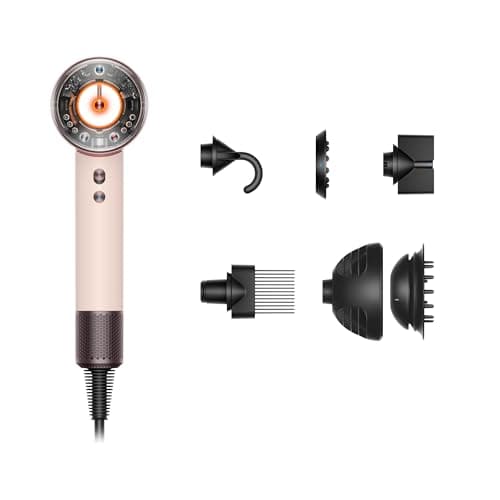
Dyson Supersonic Nural: scalp protect mode at 130°F
See price on AmazonSee it on Amazon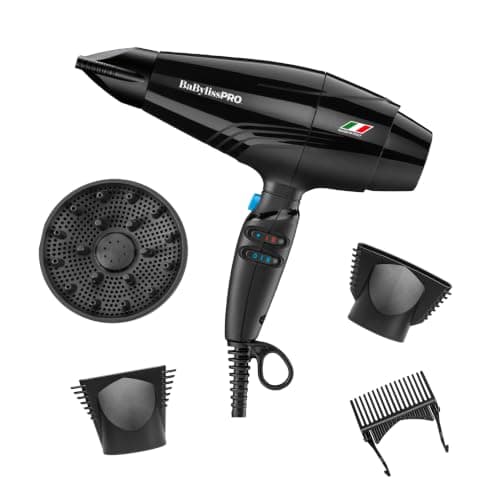
BaBylissPRO Rapido: 2000W brushless, 0.91 lb listed
See price on AmazonSee it on Amazon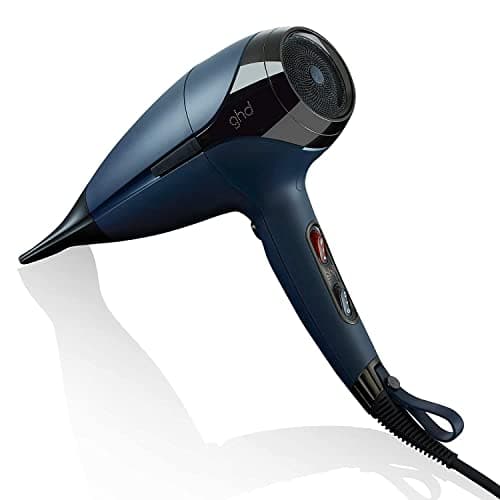
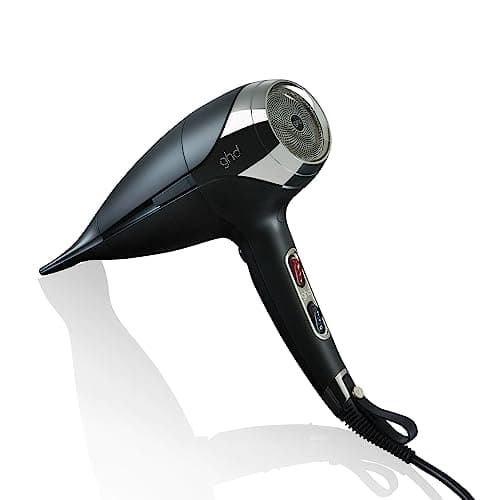
ghd Helios: 1875W brushless motor, 75mph airflow
See price on AmazonSee it on Amazon
This page is for anyone deciding between letting hair dry on its own and reaching for a dryer, or wondering whether daily blow drying is a problem. It compares the two on time, finish and effort, gives a simple method for each, and covers a hybrid routine. It sticks to practical differences rather than health claims; for questions about your own hair's condition, a stylist is the best guide. For dryer picks, see our best hair dryer guide.
Air dry vs blow dry at a glance
The main differences are time and control. The table sums up how they usually compare.
Time
- Air dry
- Often an hour or more, longer for thick hair
- Blow dry
- Minutes to about half an hour
Finish
- Air dry
- Natural texture, less control
- Blow dry
- Smooth, volume or curls with control
Frizz
- Air dry
- Can be more in humid air
- Blow dry
- Depends on technique
Root volume
- Air dry
- Often flatter
- Blow dry
- Easy to add with a brush
Effort
- Air dry
- Low
- Blow dry
- Medium
Heat
- Air dry
- None
- Blow dry
- Adjustable
| Air dry | Blow dry | |
|---|---|---|
| Time | Often an hour or more, longer for thick hair | Minutes to about half an hour |
| Finish | Natural texture, less control | Smooth, volume or curls with control |
| Frizz | Can be more in humid air | Depends on technique |
| Root volume | Often flatter | Easy to add with a brush |
| Effort | Low | Medium |
| Heat | None | Adjustable |
When air drying works well
Air drying suits wavy and curly hair when you want natural texture and have time, short hair that dries quickly anyway, and days when you are not going out right away. It also suits anyone who simply prefers not to use heat. Product choice and handling make most of the difference.
- 1
Squeeze out water gently with a microfiber towel or T-shirt.
- 2
Apply your leave-in or styling product while hair is wet.
- 3
Arrange your part and shape now; changing it later causes frizz.
- 4
Avoid touching hair as it dries.
- 5
If roots stay damp too long, finish them with a dryer on low.
Note.Going to bed with very wet hair can leave odd kinks and flat spots. Dry at least the roots first.
When blow drying works better
A dryer makes more sense when you need to be out the door fast, have long or thick hair that takes hours to air dry, want a smooth blowout or root volume, or live somewhere cold or humid. Technique shapes the result more than the dryer itself. See frizz after blow drying for smoothing tips, and how to diffuse curly hair if you want to keep curls.
Faster dryers shorten the time with heat on your hair. Our high-speed dryer guide covers models with digital motors, and a hot air brush can combine drying and styling in one step.
What affects drying time
Whichever method you pick, a few factors decide how long hair takes to dry. Knowing them helps you plan, and helps explain why a friend's routine may not work for you. Length and density matter most: long, thick hair holds far more water than a short cut. Humidity slows air drying a lot, while a dryer's airflow matters more than its heat for speed.
Small habits help either way. Squeezing water out with a microfiber towel before you start removes a lot of water without heat, and lighter products tend to dry faster than heavy creams. If you blow dry, a clean filter keeps airflow at full strength; see how to clean a hair dryer filter.
Length
- Effect
- Longer hair holds more water and takes longer
Density and thickness
- Effect
- More hair per section dries more slowly
Humidity
- Effect
- Humid air slows air drying noticeably
Towel method
- Effect
- Squeezing out water first shortens both methods
Dryer airflow
- Effect
- Higher airflow dries faster at the same heat
Product
- Effect
- Heavy creams can add drying time
| Factor | Effect |
|---|---|
| Length | Longer hair holds more water and takes longer |
| Density and thickness | More hair per section dries more slowly |
| Humidity | Humid air slows air drying noticeably |
| Towel method | Squeezing out water first shortens both methods |
| Dryer airflow | Higher airflow dries faster at the same heat |
| Product | Heavy creams can add drying time |
A hybrid routine
Many stylists suggest a middle path: let hair air dry partway, then finish with a dryer. You save time with heat on, and still get control over the final shape.
- 1
Towel dry and apply product.
- 2
Let hair air dry until it is around half dry, or as long as you have.
- 3
Rough dry the roots on medium heat until about 80 percent dry overall.
- 4
Style the lengths with a brush or diffuser on a lower heat setting.
- 5
Finish with the cool shot.
Is blow drying every day a problem?
Many people blow dry daily. Common stylist guidance for frequent use is about how, not whether: use the lowest heat that dries your hair in reasonable time, keep the dryer moving and a few inches away, use a nozzle, stop when hair is dry rather than overdrying, and use a heat protectant if that is part of your routine. Our heat settings by hair type page gives typical ranges, and the Heat setting guide turns them into a suggestion for your hair.
If you notice changes in how your hair looks or feels, talk to a stylist about your routine and products. We do not make claims about what any routine does to hair health.
- Lowest heat that works for you.
- Keep the dryer moving.
- Use a concentrator or diffuser.
- Stop at dry, not past it.
- Clean the filter so airflow stays strong.
Frequently asked questions
Should I air dry or blow dry my hair? Air dry if you have time and want natural texture. Blow dry if you need speed, smoothness or volume. A hybrid routine gives some of both.
Is air drying better for frizz? It depends on hair type and humidity. Some people get less frizz air drying, others more. Technique matters in both cases.
Is it bad to use a hair dryer every day? Many people do. Common guidance is to use lower heat, keep the dryer moving and avoid overdrying. A stylist can advise on your hair.
How long does it take to air dry hair? It varies with length, thickness and humidity, from under an hour for short hair to several hours for long, thick hair.
What you need for this
- See price on AmazonAmazon
Dyson Supersonic Nural: scalp protect mode at 130°F
 See price on AmazonAmazon
ghd Helios: 1875W brushless, 75 mph, 9 ft cord
From Best high-speed hair dryers with digital and brushless motors
 See price on AmazonAmazon
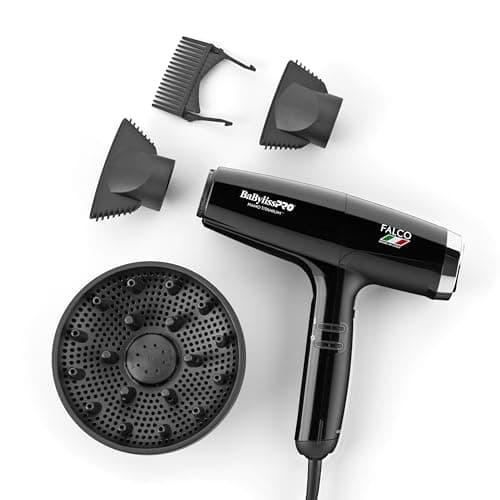
BaBylissPRO Falco: 2000W digital motor, 4 attachments