Fix
Frizzy after blow drying? Technique changes to try
Published
Short answer
Frizz after blow drying usually comes from technique: air blowing up the hair shaft instead of down, drying without a nozzle, too much airflow on curly hair, stopping before the roots are dry, or skipping the cool shot. Point a concentrator down the hair from root to end, work in sections with a brush, lower heat as hair nears dry and finish each section with cool air.
Dryers and stylers for this
All 8 picks compared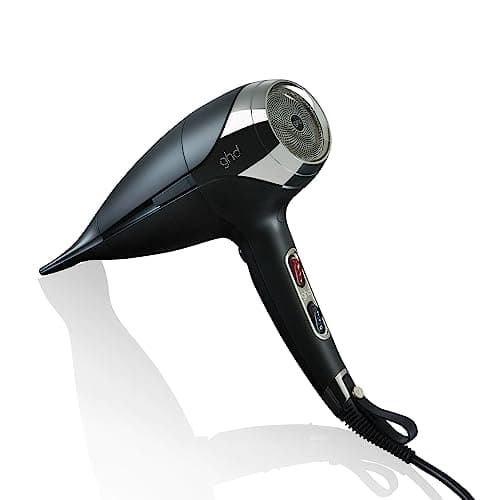
ghd Helios: 1875W brushless motor, 75 mph airflow
See price on AmazonSee it on Amazon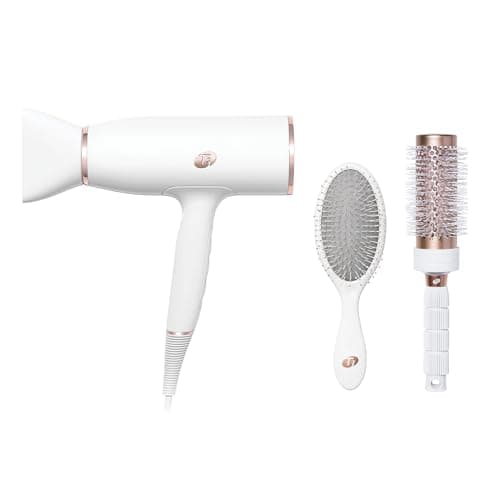
T3 AireLuxe: 10 million ions per second, brush set
See price on AmazonSee it on Amazon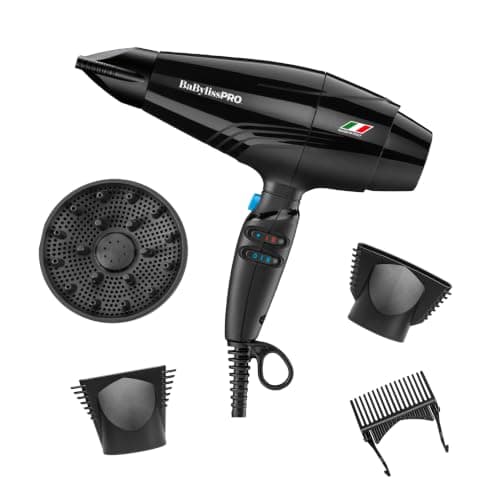
BaBylissPRO Rapido: 2000W brushless, ionic, 0.91 lb
See price on AmazonSee it on Amazon
This page is for anyone whose hair looks smooth while wet but fuzzy, puffy or dry looking once the blow dry is done. It focuses on what you can change with the dryer and brush you already own, then covers when a different attachment or tool might help. It does not cover medical or scalp issues; if your hair has changed suddenly, a stylist or dermatologist is the right person to ask. For curly hair, start with how to diffuse curly hair instead.
Why blow drying can cause frizz
Frizz is hair that does not lie smoothly with its neighbors. When strands dry in different directions, or when they dry while being pushed around, they set in a messy pattern. A few common blow drying habits encourage that.
No nozzle
- What happens
- Air spreads in all directions
- Try this
- Clip on a concentrator
Air blowing upward
- What happens
- Hair is roughed against its lay
- Try this
- Aim the nozzle down the shaft
Airflow too high on curls
- What happens
- Curl clumps break apart
- Try this
- Diffuse on low airflow
Rough drying to bone dry
- What happens
- Hair sets in random directions
- Try this
- Rough dry to about 80 percent
Damp roots left to air dry
- What happens
- Roots puff up later
- Try this
- Dry roots fully first
Skipping the cool shot
- What happens
- Shape is not set as it cools
- Try this
- Cool each section
Static from dry air
- What happens
- Flyaways lift away
- Try this
- Use ion setting if your dryer has one
| Cause | What happens | Try this |
|---|---|---|
| No nozzle | Air spreads in all directions | Clip on a concentrator |
| Air blowing upward | Hair is roughed against its lay | Aim the nozzle down the shaft |
| Airflow too high on curls | Curl clumps break apart | Diffuse on low airflow |
| Rough drying to bone dry | Hair sets in random directions | Rough dry to about 80 percent |
| Damp roots left to air dry | Roots puff up later | Dry roots fully first |
| Skipping the cool shot | Shape is not set as it cools | Cool each section |
| Static from dry air | Flyaways lift away | Use ion setting if your dryer has one |
Step by step: a smoother blow dry
This is a standard salon sequence for a smooth finish with a dryer and brush. It works with most dryers. If yours has several heat steps, use our Heat setting guide for a typical starting point.
Concentrator
Narrow jet for smoothing with a brush
Diffuser
Wide, soft spread for curls
Wide-tooth comb
Air flows through the teeth to stretch curly and coily hair
Smoothing nozzle
Wide, flat, gentler airflow for finishing
- 1
Towel dry gently by squeezing, not rubbing. Detangle with a wide-tooth comb.
- 2
Apply your usual heat protectant or smoothing product.
- 3
Rough dry with fingers on medium heat until hair is about 80 percent dry. Dry the roots first.
- 4
Clip on a concentrator nozzle. Section hair into four or more parts.
- 5
Place a paddle or round brush under a section at the root. Aim the nozzle down the hair, from root to end, following the brush.
- 6
Lower the heat as each section gets close to dry.
- 7
Hold the cool shot over the section for several seconds before releasing it.
- 8
Repeat around the head, then finish the surface with a final pass of cool air.
Nozzle direction matters most
The single biggest change for most people is the angle of the airflow. Air that blows up the hair, or straight at it, pushes the outer layer against its natural direction. Air that flows down the strand from root to tip helps it lie flat. A concentrator makes this much easier because it focuses the jet into a narrow slot you can line up with the brush.
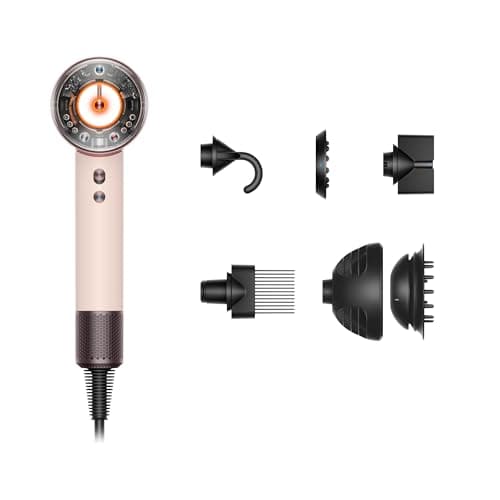
Keep the nozzle a few inches from the hair, often around six inches, and keep it moving. Holding it in one spot for too long heats one area and dries it unevenly. Dyson's Supersonic kits include a smoothing nozzle and a styling concentrator, and most premium dryers in our best hair dryer guide include at least one concentrator.
Heat, airflow and ions
High heat dries fast but makes it easy to overdry sections, especially the ends. Typical guidance is medium heat for most hair, low to medium for fine or color-treated hair and medium to high for rough drying thick hair, then lower for styling. See heat settings by hair type for ranges.
Many dryers advertise negative ions to reduce static. Static is one source of flyaways, so an ionic dryer can help with that kind of frizz. It will not fix frizz caused by technique. Our ionic hair dryer explainer covers what ions can and cannot do, and the ionic dryer guide compares models.
If your hair is curly or wavy
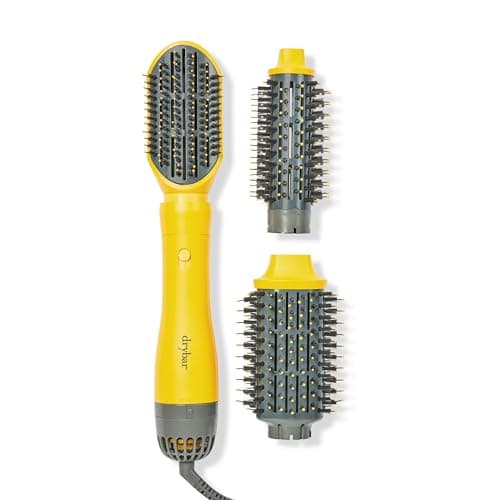
Blowing curly hair straight out with a concentrator and no brush is a fast route to frizz, because each curl dries separated from its neighbors. Either commit to a full brush-smoothed blowout, or keep your curls and diffuse on low airflow. A blow dryer brush can make a smooth blowout easier for some people, since the brush and airflow come from the same tool.
- Want curls: diffuser, low airflow, do not touch while drying.
- Want smooth: concentrator plus brush with tension, section by section.
- In between: rough dry with a diffuser, then smooth only the top layer.
Frequently asked questions
Why is my hair dry and frizzy after blow drying? Usually because air blew against the hair direction, hair was dried without a nozzle or brush, or it was overdried on high heat. Adjust technique first.
Does the cool shot really help? It helps set the shape. Hair holds the form it has when it cools, so a few seconds of cool air per section is standard salon practice.
Will an ionic dryer stop frizz? It can reduce static flyaways. It will not fix frizz from technique, such as blowing air up the hair shaft.
Should I air dry instead to avoid frizz? Some people get less frizz air drying, others more. See air dry vs blow dry to weigh the trade-offs.