Explainer
What is an ionic hair dryer, and is it better?
Published
Short answer
An ionic hair dryer has a built-in ion generator that releases negatively charged particles into the airflow. Makers say the ions help reduce static, which can mean fewer flyaways and a smoother look. It is not a different kind of heater or motor. Most premium dryers now include ions, so airflow, settings and attachments matter more than the ionic label alone.
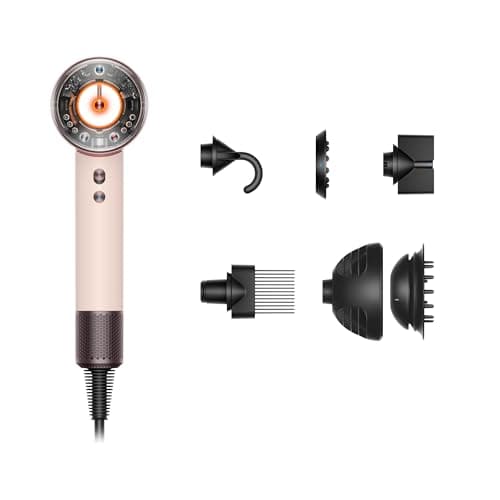
Dryers and stylers for this
All 8 picks compared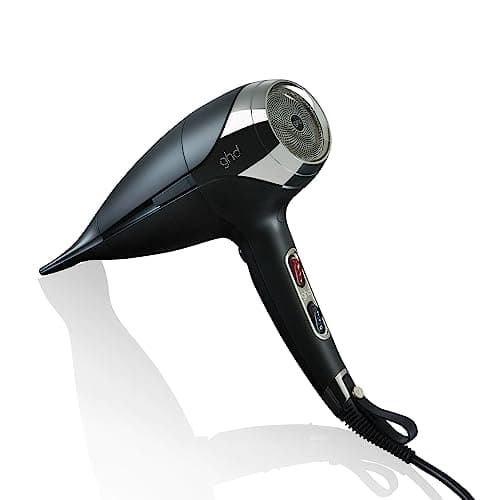
ghd Helios: 1875W brushless motor, 75 mph airflow
See price on AmazonSee it on Amazon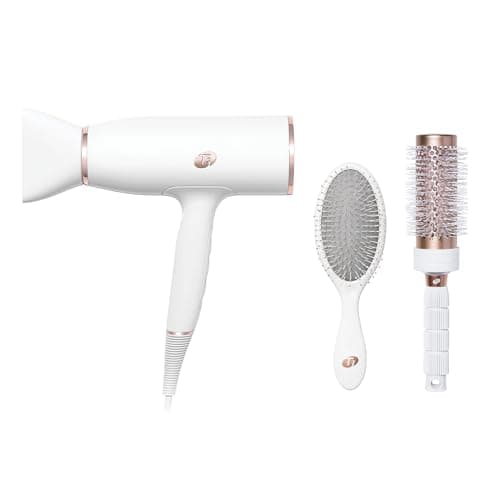
T3 AireLuxe: 10 million ions per second, brush set
See price on AmazonSee it on Amazon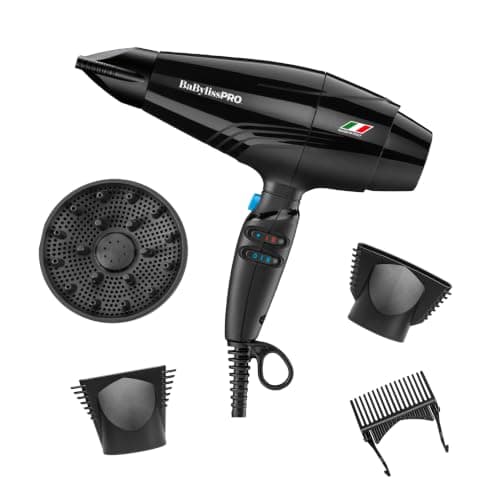
BaBylissPRO Rapido: 2000W brushless, ionic, 0.91 lb
See price on AmazonSee it on Amazon
This page is for shoppers comparing dryers who keep seeing "ionic" on every box and want to know what it means. It explains the ion generator, what makers claim it does, how ionic dryers compare with non-ionic ones, and the trade-offs people mention, such as less volume on fine hair. Product details come from the listings in our ionic hair dryer guide. For related coatings, see ionic vs ceramic vs tourmaline.
How an ionic hair dryer works
Inside an ionic dryer is a small ion generator, usually near the nozzle. It gives air molecules a negative electrical charge before they leave the dryer. Hair often picks up a positive static charge as it is brushed and dried, which makes strands repel each other and stand away from the head. The negative ions are meant to neutralize that charge so strands lie together more smoothly.
That is the main documented benefit: less static. Makers often go further, describing ions as breaking up water droplets or sealing the cuticle. Those are marketing descriptions that vary by brand, so it is best to read them as claims rather than measured facts.
- 1Air intake and filter: keep it clean, or the dryer runs hot
- 2Motor and fan: pull air in and push it forward
- 3Heating element: warms the air as it passes
- 4Ion generator, on dryers that list one
- 5Nozzle: where attachments clip on
- 6Heat and speed buttons
- 7Cool shot button: unheated air to set the style
- 8Cord
What the listings claim
Ions are now standard on most dryers over $150. Here is how a few listings in our guides describe them, quoted as claims rather than verified results.
Dyson Supersonic Origin
- Ion description (per listing)
- Negative ions help reduce static in the hair
T3 AireLuxe
- Ion description (per listing)
- Produces 10 million negative ions per second
BaBylissPRO Dual Ionic
- Ion description (per listing)
- Dual ionic technology, one-touch ion on or off
Neuro by Paul Mitchell Halo
- Ion description (per listing)
- Negative ion generator with a separate ion setting
T3 Featherweight StyleMax
- Ion description (per listing)
- Ion generator plus a Volume boost switch
| Dryer | Ion description (per listing) |
|---|---|
| Dyson Supersonic Origin | Negative ions help reduce static in the hair |
| T3 AireLuxe | Produces 10 million negative ions per second |
| BaBylissPRO Dual Ionic | Dual ionic technology, one-touch ion on or off |
| Neuro by Paul Mitchell Halo | Negative ion generator with a separate ion setting |
| T3 Featherweight StyleMax | Ion generator plus a Volume boost switch |
Ionic vs regular hair dryer
A regular, non-ionic dryer moves heated air without an ion generator. On static-prone hair, especially in dry winter air, it can leave more flyaways. Otherwise the two work the same way: a motor, a fan, a heater and a nozzle. Drying speed depends mostly on airflow and motor design, not on ions. Our high-speed hair dryers explained page covers what actually makes a dryer fast.
Static and flyaways
- Ionic
- Usually fewer
- Regular
- More likely in dry air
Drying speed
- Ionic
- Depends on airflow
- Regular
- Depends on airflow
Volume at the root
- Ionic
- Can be lower on fine hair
- Regular
- Often fuller
Price range
- Ionic
- Standard on most premium dryers
- Regular
- Mostly budget models
| Ionic | Regular | |
|---|---|---|
| Static and flyaways | Usually fewer | More likely in dry air |
| Drying speed | Depends on airflow | Depends on airflow |
| Volume at the root | Can be lower on fine hair | Often fuller |
| Price range | Standard on most premium dryers | Mostly budget models |
Disadvantages of ionic dryers
The common complaint is reduced volume. Because static is part of what makes fine hair stand away from the scalp, smoothing it can leave fine hair flatter. Some makers address this directly: the BaBylissPRO Dual Ionic listing describes switching ions on for a sleek finish or off for more volume, and the T3 StyleMax lists a Volume boost switch. If you have fine hair and want lift, a dryer with an ion switch is worth looking for; see our fine hair dryer guide.
- Can reduce root volume on fine hair.
- Benefits are hard to see on thick, coarse hair that is not static-prone.
- Marketing claims vary and are not standardized.
- Ions do not replace good technique for frizz control.
How to get the most from an ionic dryer
An ionic dryer works best when the rest of your routine is set up to support a smooth finish. Ions reduce static, but the direction of airflow, the heat level and the brush still decide most of the result.
- 1
Towel dry and detangle before you start.
- 2
Rough dry on medium heat until hair is about 80 percent dry.
- 3
Clip on a concentrator and dry section by section, aiming air from root to end.
- 4
If your dryer has an ion switch, turn ions on for sleek styles and try them off for root volume on fine hair.
- 5
Finish each section with the cool shot to set the shape.
Note.Ion generators need no maintenance on most dryers, but a clogged intake filter cuts airflow. Clean the filter regularly; see how to clean a hair dryer filter.
Who benefits most
Ionic dryers suit people whose main issue is static and flyaways, people with medium to thick hair who want a sleek blowout, and anyone styling in dry indoor air. They matter less if you diffuse curls on low airflow, or if you want maximum volume on very fine hair. For frizz that comes from technique, see frizz after blow drying, and for heat guidance see heat settings by hair type.
Frequently asked questions
What is an ionic hair dryer? A dryer with an ion generator that adds negatively charged particles to the airflow to help reduce static.
Is an ionic hair dryer better than a regular one? For static-prone hair, often yes. For drying speed, airflow and motor matter more than ions.
What are the disadvantages of ionic hair dryers? They can reduce volume on fine hair, and makers' claims beyond static reduction vary. Look for an ion on or off switch if volume matters.
Are all expensive hair dryers ionic? Most premium dryers include ions, including the Dyson Supersonic family, T3, BaBylissPRO and ghd models in our guides.