Comparison
Ionic vs ceramic vs tourmaline hair dryers
Published
Short answer
Ionic refers to a generator that releases negative ions into the airflow to reduce static and frizz. Ceramic and tourmaline describe materials or coatings in the heater or housing that makers say spread heat more evenly, and tourmaline is a mineral often marketed as adding ions. Many dryers combine them. For most people, an ion setting, good heat control and enough airflow matter more than the coating label.
Neuro
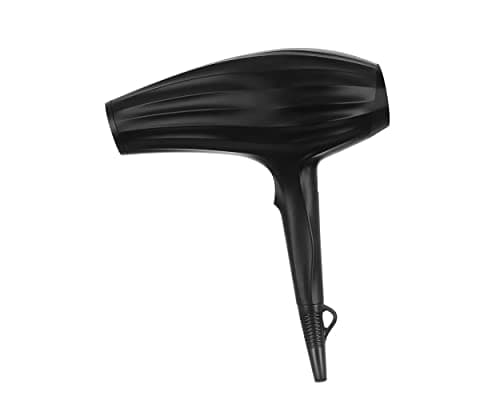
Neuro Halo: 1875W, touch screen, filter light
See price on Amazon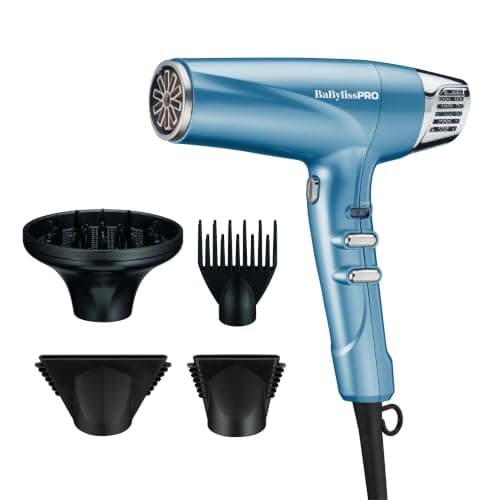
BaBylissPRO
BaBylissPRO Dual Ionic: 1875W brushless, 9 settings
See price on Amazon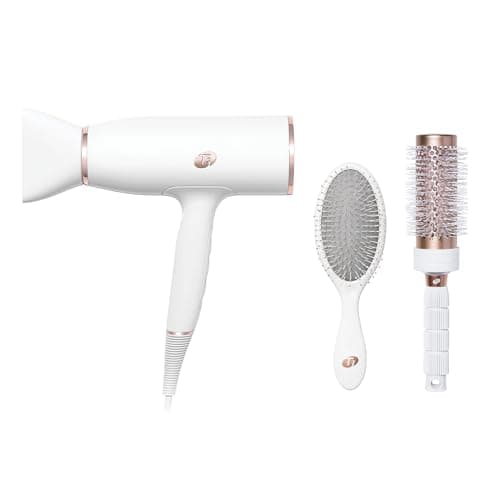
T3
T3 AireLuxe: dryer plus paddle and round brush
See price on Amazon
- Neuro Halo: 1875W, touch screen, filter light
- Watts
- 1875W
- Motor
- Professional motor
- Cord length
- Not stated
- Settings
- 3 heat, 3 airflow, ion setting, cool shot
- BaBylissPRO Dual Ionic: 1875W brushless, 9 settings
- Watts
- 1875W
- Motor
- High-speed brushless
- Cord length
- 9 ft
- Settings
- 9 heat and speed settings, cool shot
- T3 AireLuxe: dryer plus paddle and round brush
- Watts
- -
- Motor
- -
- Cord length
- -
- Settings
- -
| Pick | Watts | Motor | Cord length | Settings | Price | Link |
|---|---|---|---|---|---|---|
| Neuro Halo: 1875W, touch screen, filter light | 1875W | Professional motor | Not stated | 3 heat, 3 airflow, ion setting, cool shot | - | Amazon |
| BaBylissPRO Dual Ionic: 1875W brushless, 9 settings | 1875W | High-speed brushless | 9 ft | 9 heat and speed settings, cool shot | - | Amazon |
| T3 AireLuxe: dryer plus paddle and round brush | - | - | - | - | - | Amazon |
Facts are taken from each Amazon listing. Prices are checked daily and shown with their date.
Verdict
Do not shop by coating label alone. Pick the BaBylissPRO Dual Ionic if you want ions you can switch off and many settings, the T3 AireLuxe for a straight ionic dryer with a brush set, or the Neuro Halo Tourmaline if you want a touch-screen and clean filter indicator.
This page is for anyone confused by hair dryer boxes that say ionic, ceramic, tourmaline, titanium or all four. These labels describe different things, and makers often stack them. We explain what each term refers to, what makers claim for it, and where the claims are well established versus marketing. Then we look at real dryers that use each label, using only their Amazon listings, so you can see how the terms show up on actual products. If you want the deeper story on ions, read what is an ionic hair dryer.
What each label refers to
Ionic. An ion generator inside the dryer releases negatively charged ions into the airflow. The widely accepted benefit is less static, which shows up as fewer flyaways and less frizz. Some dryers let you switch ions on and off.
Ceramic. Ceramic parts or coatings in the heating element or grille. Makers say ceramic heats more evenly and produces gentler, steadier heat. It describes a material, not an ion system, though some makers pair it with ions.
Tourmaline. A crystalline mineral, usually ground and added to a coating. Makers often say it boosts negative ion output. In practice it appears alongside an ion generator on many dryers.
Titanium and nano titanium. Another coating, marketed for even, fast heat distribution. You will often see it on salon brands such as BaBylissPRO.
- 1Air intake and filter: keep it clean, or the dryer runs hot
- 2Motor and fan: pull air in and push it forward
- 3Heating element: warms the air as it passes
- 4Ion generator, on dryers that list one
- 5Nozzle: where attachments clip on
- 6Heat and speed buttons
- 7Cool shot button: unheated air to set the style
- 8Cord
How the labels compare at a glance
This table summarizes what each label typically refers to and what makers usually claim. It is not a ranking.
Ionic
- What it is
- Ion generator in the airflow
- What makers claim
- Less static and frizz, more shine
- What to check on the box
- Whether ions can be switched on or off
Ceramic
- What it is
- Material in heater or grille
- What makers claim
- Even, gentler heat
- What to check on the box
- Heat settings and heat control
Tourmaline
- What it is
- Mineral in a coating
- What makers claim
- More negative ions, even heat
- What to check on the box
- Whether there is also an ion generator
Titanium
- What it is
- Metal coating
- What makers claim
- Fast, even heat distribution
- What to check on the box
- Wattage, airflow and attachments
| Label | What it is | What makers claim | What to check on the box |
|---|---|---|---|
| Ionic | Ion generator in the airflow | Less static and frizz, more shine | Whether ions can be switched on or off |
| Ceramic | Material in heater or grille | Even, gentler heat | Heat settings and heat control |
| Tourmaline | Mineral in a coating | More negative ions, even heat | Whether there is also an ion generator |
| Titanium | Metal coating | Fast, even heat distribution | Wattage, airflow and attachments |
How makers combine them: real examples
Here is how the labels appear on dryers in our guides, using their listing wording.
The Neuro by Paul Mitchell Halo Tourmaline dryer lists a negative ion generator, a separate ion setting, an 1875-watt motor, three heat and three airflow settings, a cool shot, a backlit touch-screen and a clean filter indicator light. Tourmaline is in the name, and an ion generator is listed alongside it.
The BaBylissPRO Dual Ionic lists Nano Titanium heat distribution with dual ionic technology that BaBylissPRO says delivers 2x the ions, one-touch control to switch ions on or off, an 1875-watt high-speed brushless motor, nine heat and speed settings, a cool shot, four attachments and a weight of 0.88 pounds.
The T3 AireLuxe is a straight ionic dryer. T3 lists 10 million negative ions per second, digitally controlled heat, five heat and three speed settings, a lock-in cool shot, and a paddle brush and 2.5 inch round brush in the set.
None of these three lists ceramic in its features. Plenty of dryers do, often in budget lines. The point is the same: read the features list, not just the name.
- Tourmaline in the name, ion generator in the specs: Neuro Halo.
- Titanium plus ions you can turn off: BaBylissPRO Dual Ionic.
- Ionic with a stated ion output: T3 AireLuxe.
What matters more than the coating
Drying time and hair health depend mostly on airflow, heat control and technique. A dryer with strong airflow lets you use lower heat. Separate heat and speed controls let you match settings to your hair. A cool shot helps set a style. A concentrator directs air down the hair shaft for a smoother finish.
Read hair dryer temperature explained, hair dryer wattage explained and frizz after blow drying for the bigger levers.
One more point: some people with very fine hair find heavy ion output flattens volume. A dryer with an ion on/off switch, like the BaBylissPRO Dual Ionic, gives you the choice.
Note.Rule of thumb: buy for airflow, separate heat and speed controls and the attachments you need, then use ionic as a tiebreaker for frizz.
Which one should you pick for your hair
Frizzy, thick or coarse hair. An ionic dryer with strong airflow and a concentrator is the usual pick. See best hair dryers for thick hair.
Fine hair. Look for low heat steps and lower airflow, and consider a model where ions can be switched off if you want more lift. See best hair dryers for fine hair.
Curly hair. A diffuser and low airflow matter more than the coating. Ions can help with frizz.
For a broad shortlist of dryers with ion generators, see our best ionic hair dryers.
Frequently asked questions
Is ionic or ceramic better? They are different things. Ionic refers to an ion generator that cuts static and frizz; ceramic refers to a heater material makers say spreads heat evenly. Many dryers have both. If frizz is your main issue, prioritize ionic.
Is a tourmaline hair dryer the same as an ionic dryer? Not exactly. Tourmaline is a mineral coating that makers say adds ions. Most tourmaline dryers also list a separate ion generator, as the Neuro Halo does.
Do ionic dryers damage hair? The ions themselves are not the concern. Heat is. Use the lowest heat that dries your hair in reasonable time, and keep the dryer moving.
Is titanium better than ceramic? Makers market both for even heat. There is no simple winner; compare airflow, heat control and attachments instead.